


Social Responsibility of Science - a program of the Ministry of Science and Higher Education implemented at the Wroclaw University Library

Under the Social Responsibility of Science program announced by the Ministry of Science and Higher Education, the Wroclaw University Library received funding for the implementation of two projects in the module: Social Responsibility of Science - support for scientific libraries, entitled:
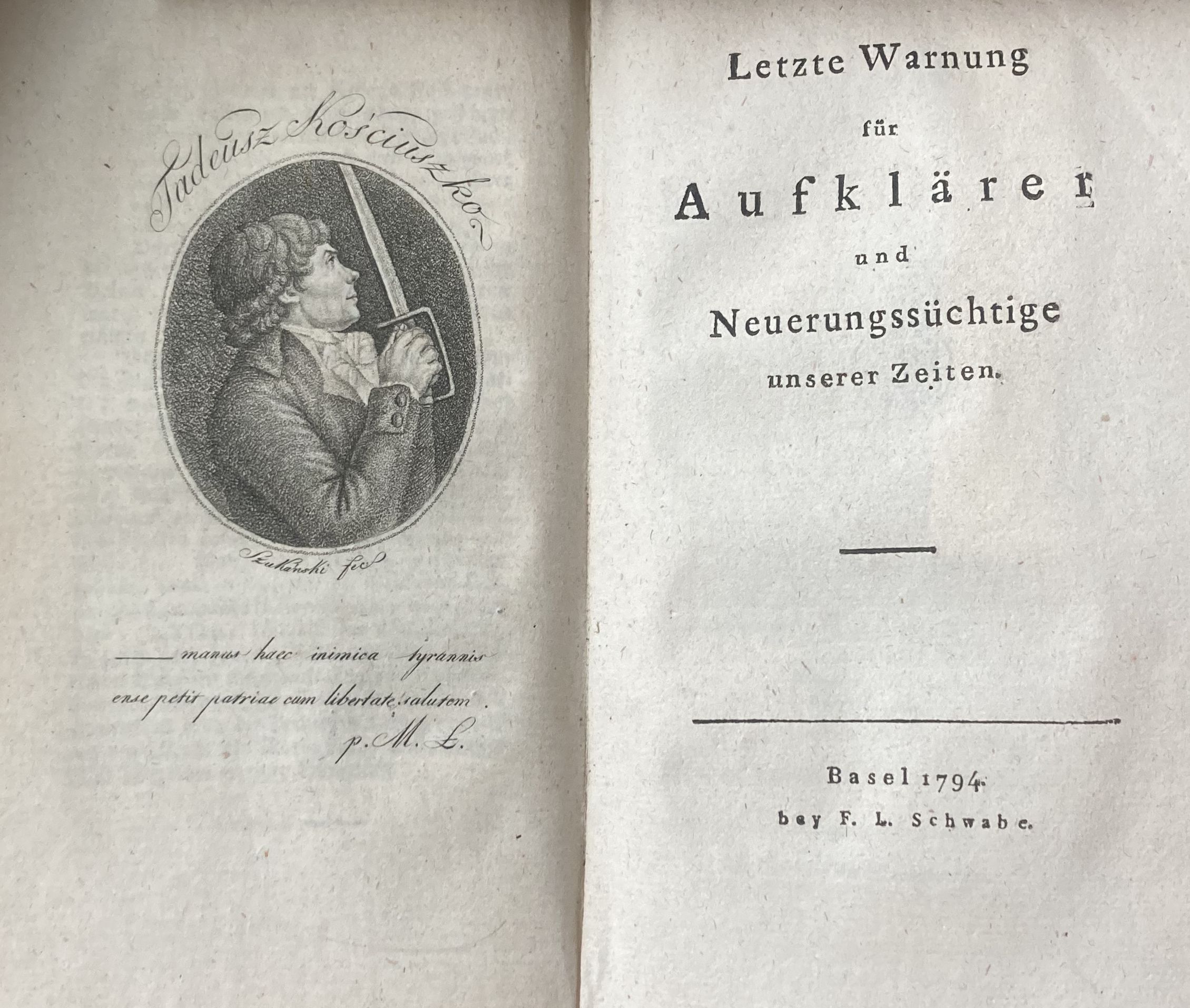
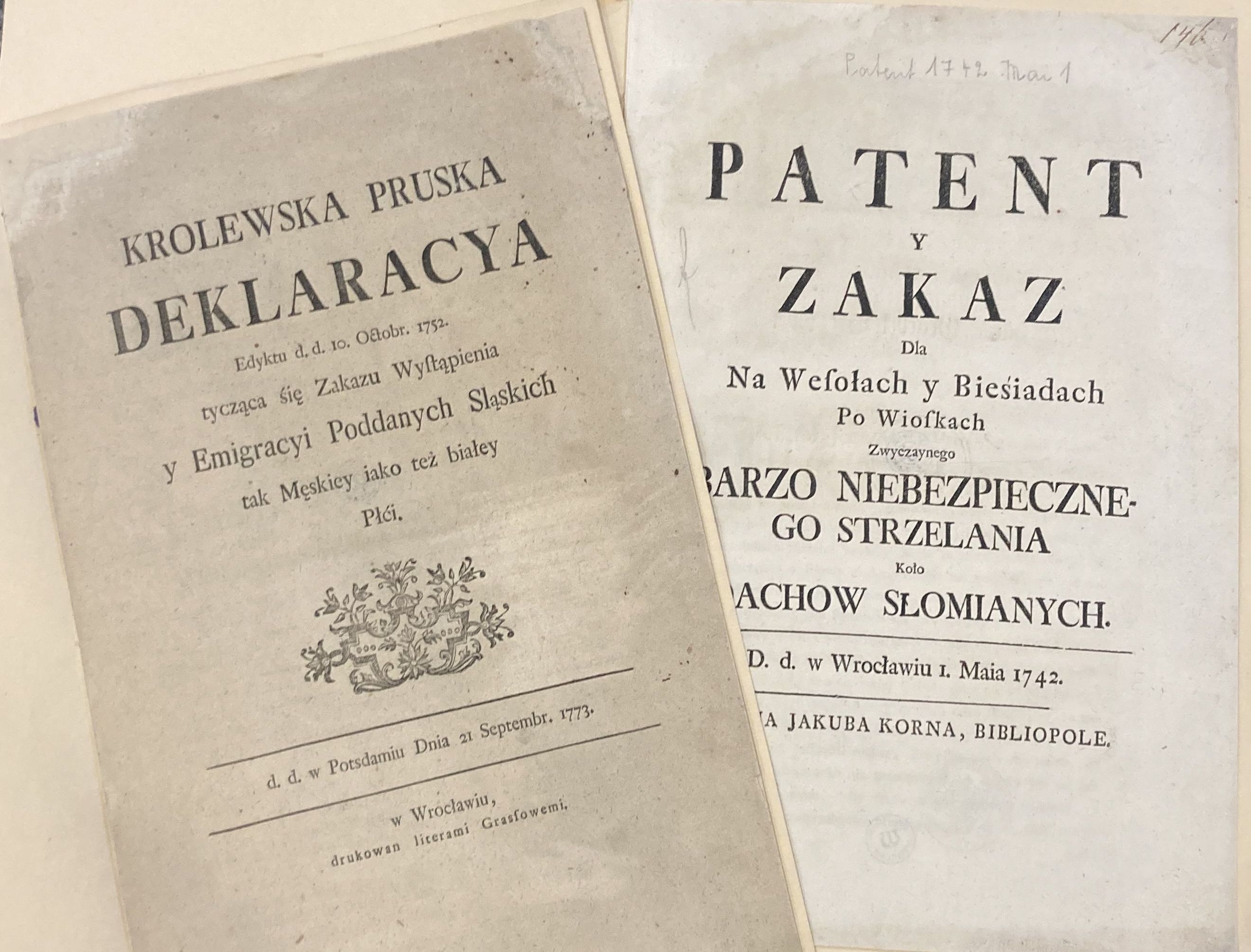
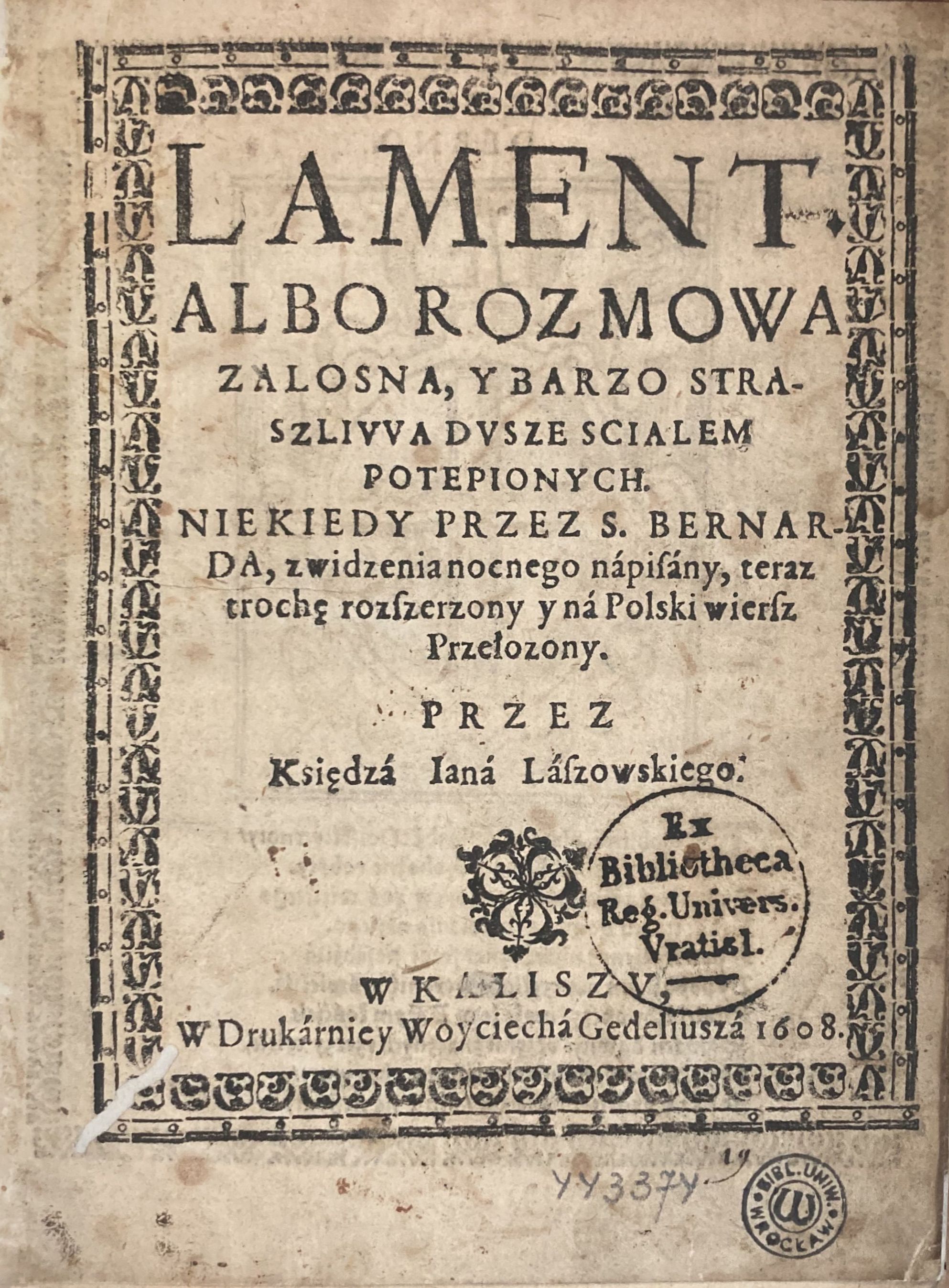
- 16th-18th century Polonica from the collections of the University Library in Wrocław - preparation, digitization and publication on the Internet (Polonika XVI-XVIII-wieczne ze zbiorów Biblioteki Uniwersyteckiej we Wrocławiu – opracowanie, digitalizacja i upublicznienie w sieci) and
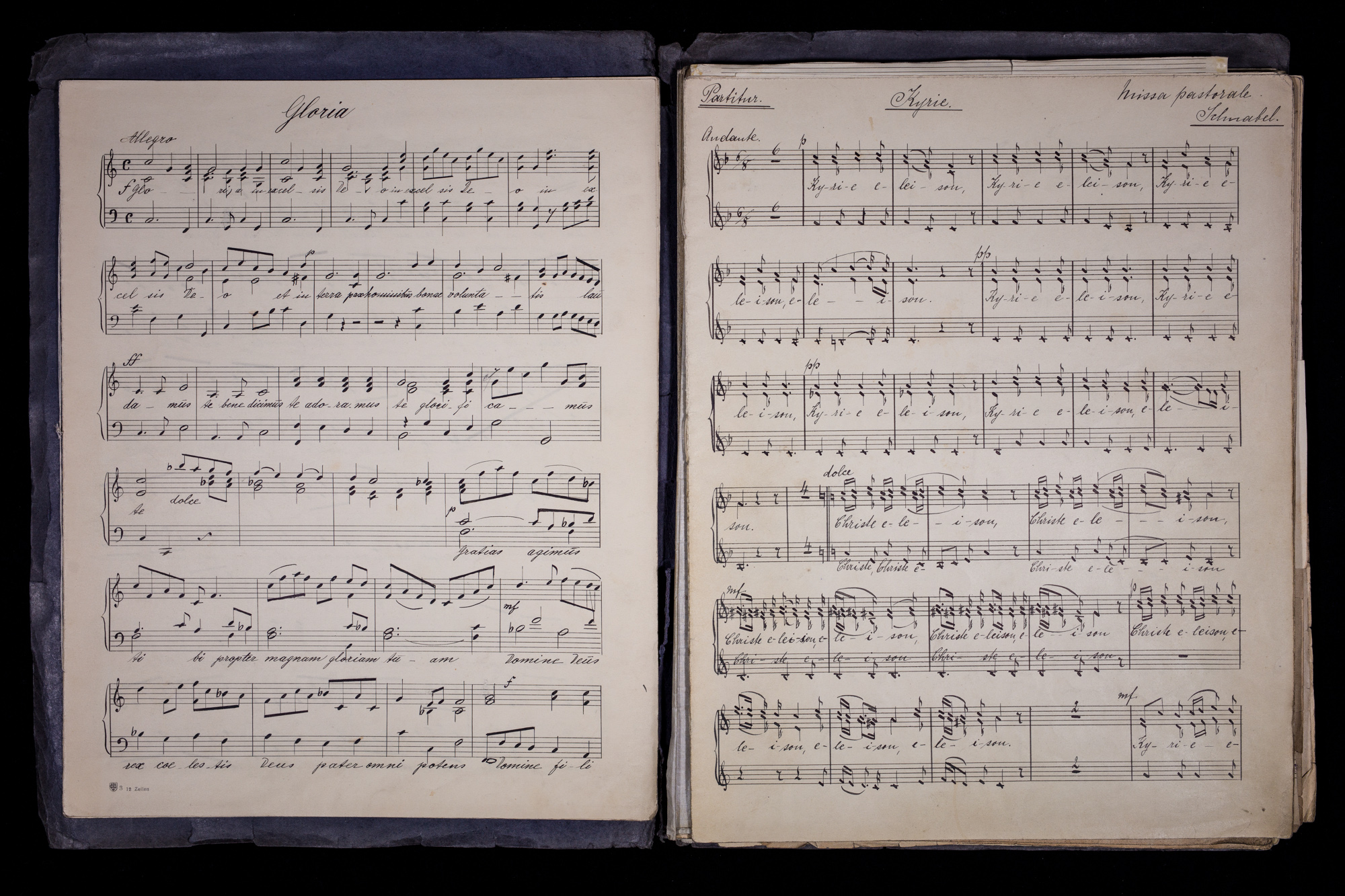
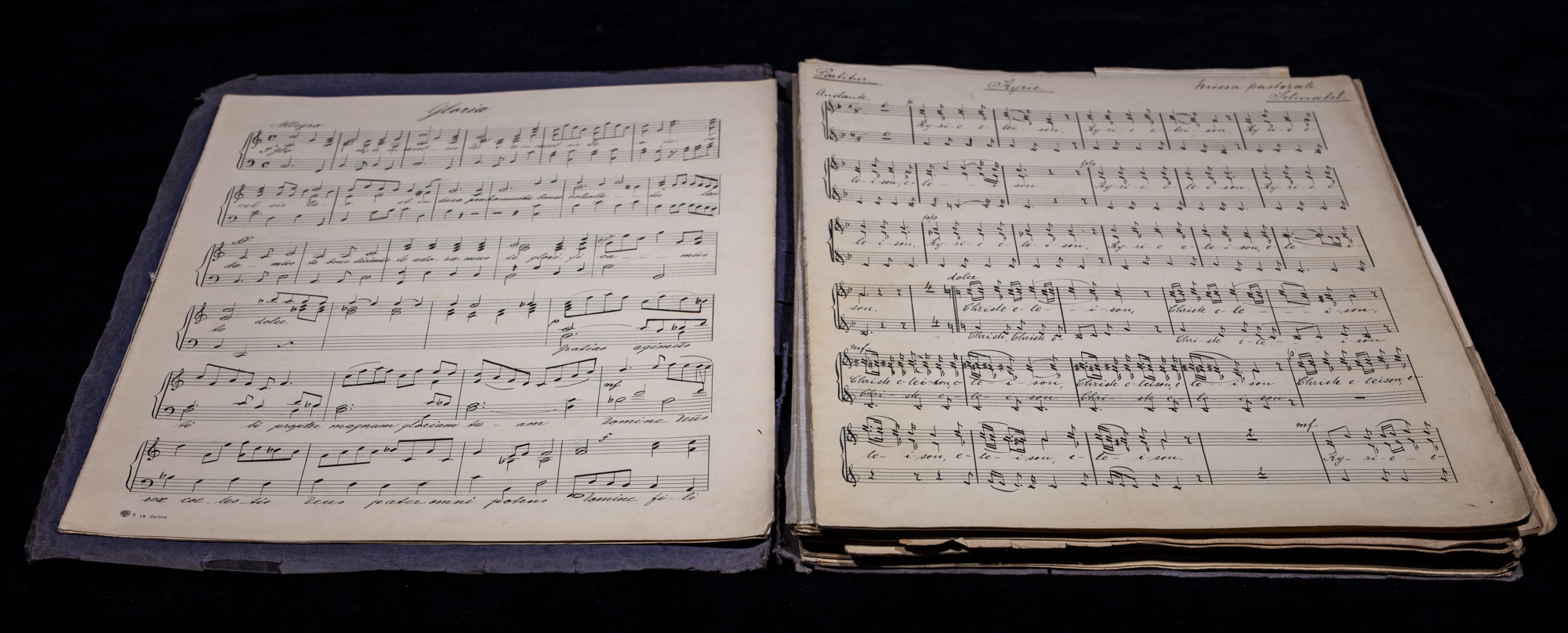
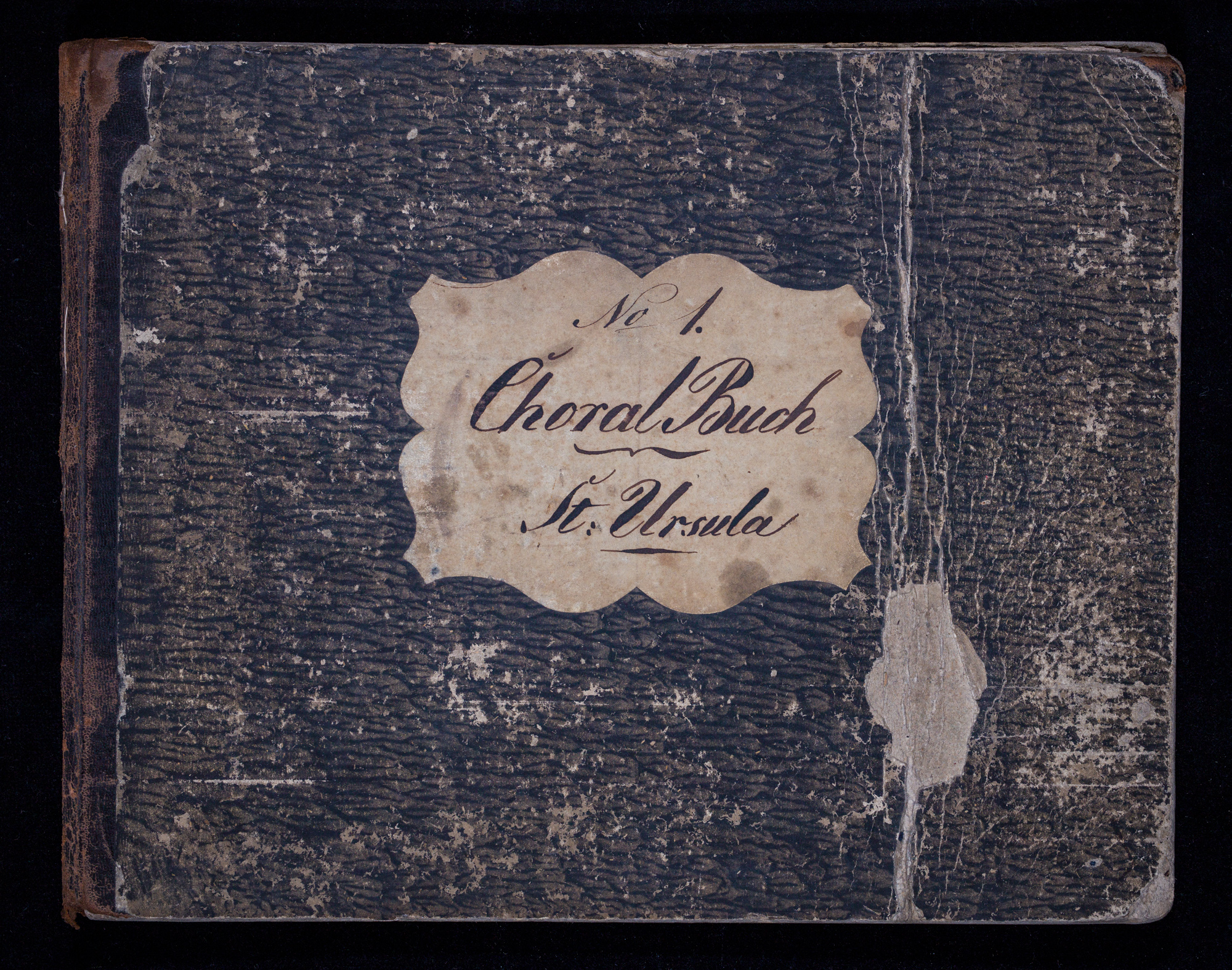
- Musicals items from the former school library of the Congregation of St. Urszula in Wroclaw. Dissemination of the resource (Muzykalia dawnej biblioteki szkolnej Zgromadzenia św. Urszuli we Wrocławiu. Upowszechnienie zasobu).
Both projects will be realized by employees of the University Library from 2.11.2023 to 31.10.2024.
The goal of the first project is comprehensive cataloging, digitization and wide publication online of selected 500 rare prints from the Library's collection of the 16th-18th century Polonica. Taken into account are Polonica sensu largo, i.e. those that meet not only territorial criteria, but also linguistic, ethnic and content criteria, in accordance with the criteria adopted in Estreicher's Old Polish Bibliography, not yet listed in the central catalogue. Currently, obtaining information about the collection of Polonica in the Library is difficult because, unlike in many other libraries, they do not constitute a separate collection, and the information about them in the literature on the subject is incomplete and outdated. Old prints intended for cataloging as part of the project will be selected basing on criteria including: the rarity of a given work, its importance for the history of Polish and, more broadly, European literature, and importance of historical provenance. Cataloging of this collection also involves providing information regarding ownership marks and bindings for the items qualified for the project. Some (eighty) objects will be fully digitized; 420 objects were selected for partial digitization that will include only so-called key pages. This solution will provide visual access to the most important bibliographic and individual features of the item, also in case of prints that, for technical or conservation reasons, cannot be scanned in their entirety. The 50 selected most interesting bindings will be additionally documented with an innovative imaging method - RTI, i.e. Reflectance Transformation Imaging, enabling the display of the three-dimensional structure of each binding.
Thanks to the undertaken activities, information about five hundred rare prints (their descriptions, content and special features) will enter global scientific circulation. Providing online bibliographic descriptions and the most important pictorial information about a given edition will be an invaluable tool for librarians, bibliographers and all researchers of ancient culture and literature, as well as a unique material for provenance and tegumentological research, i.e. for research areas that have been the focus of scientific attention in recent years.
 |
 |
 |
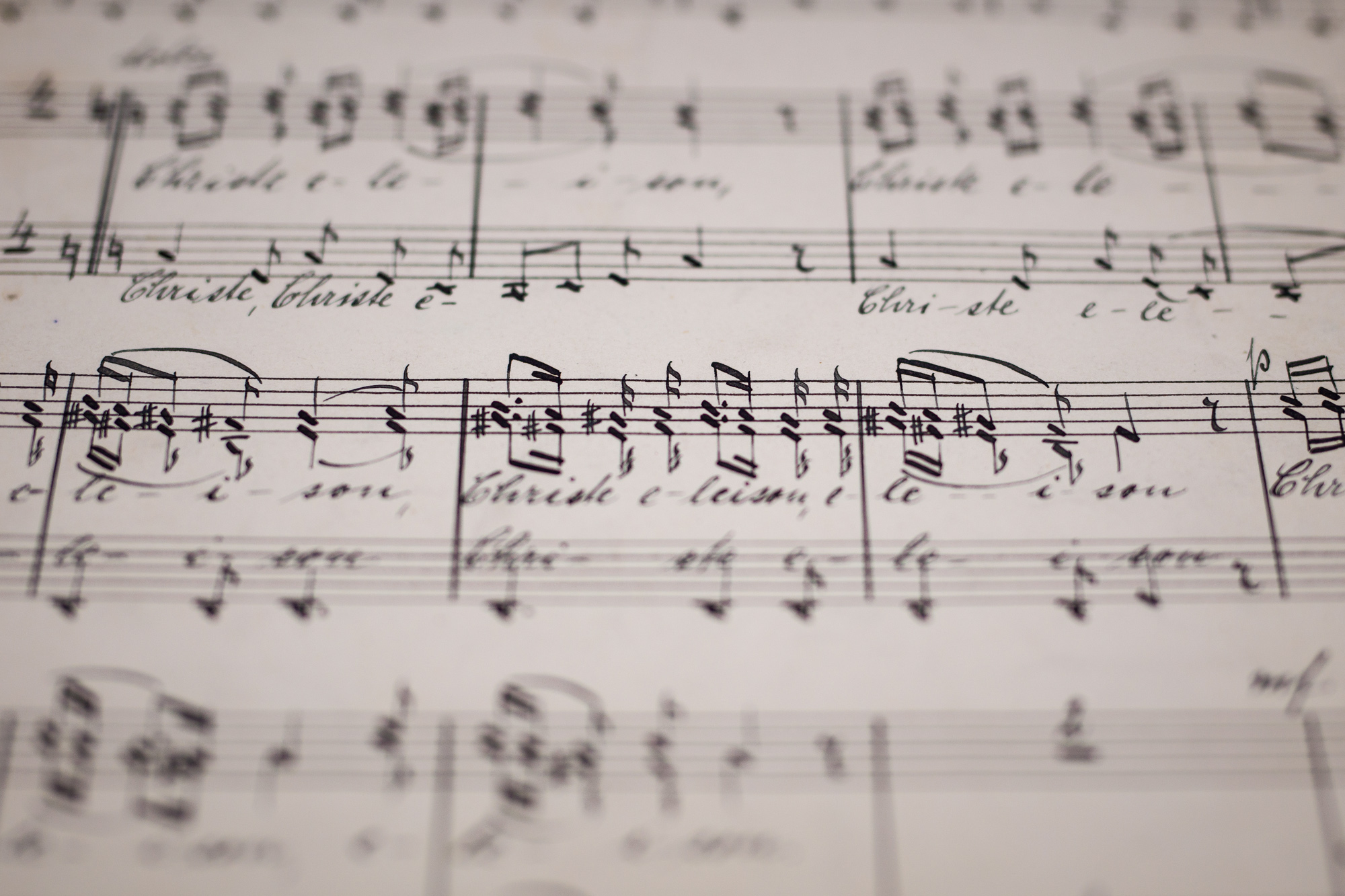
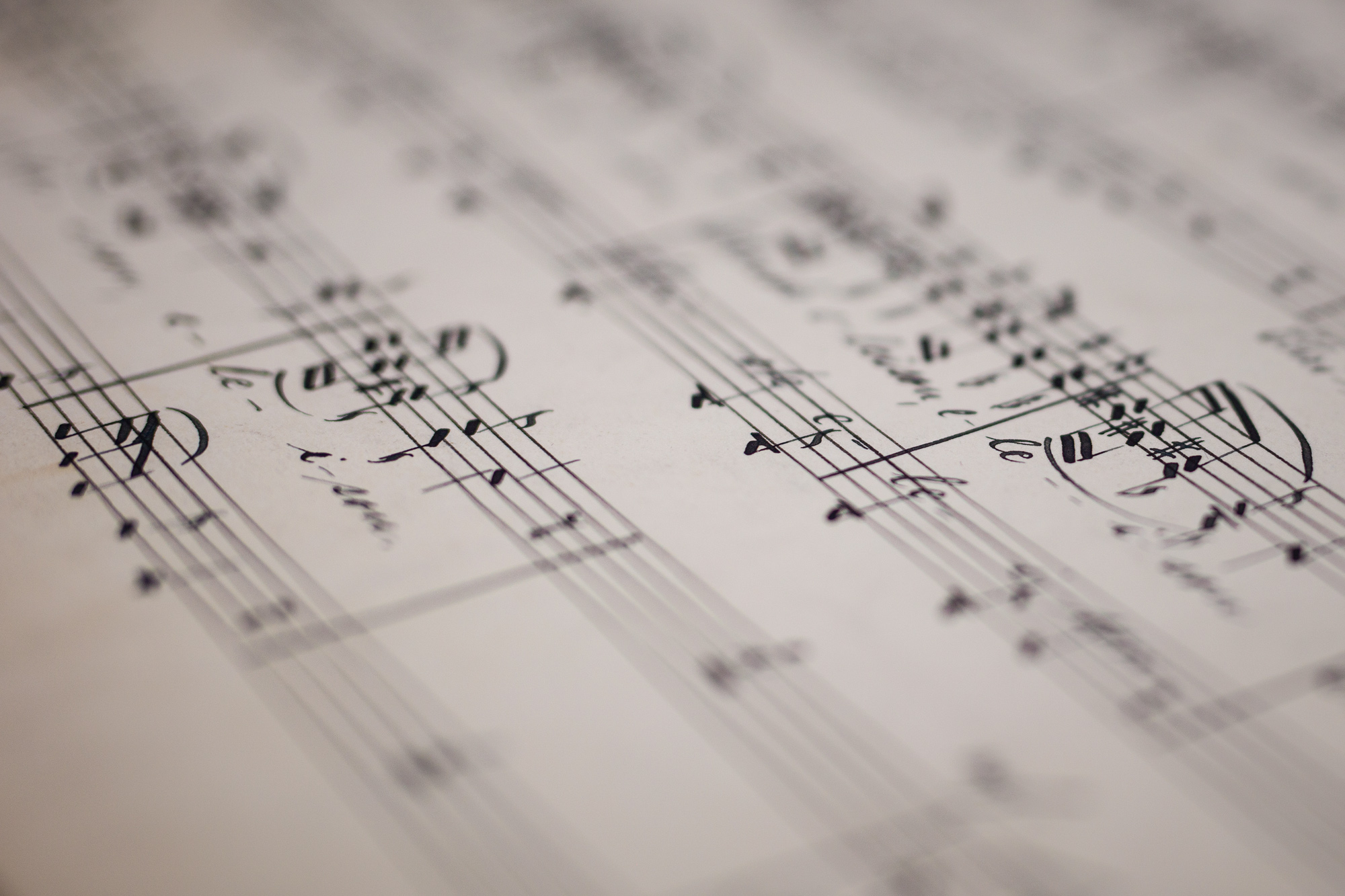
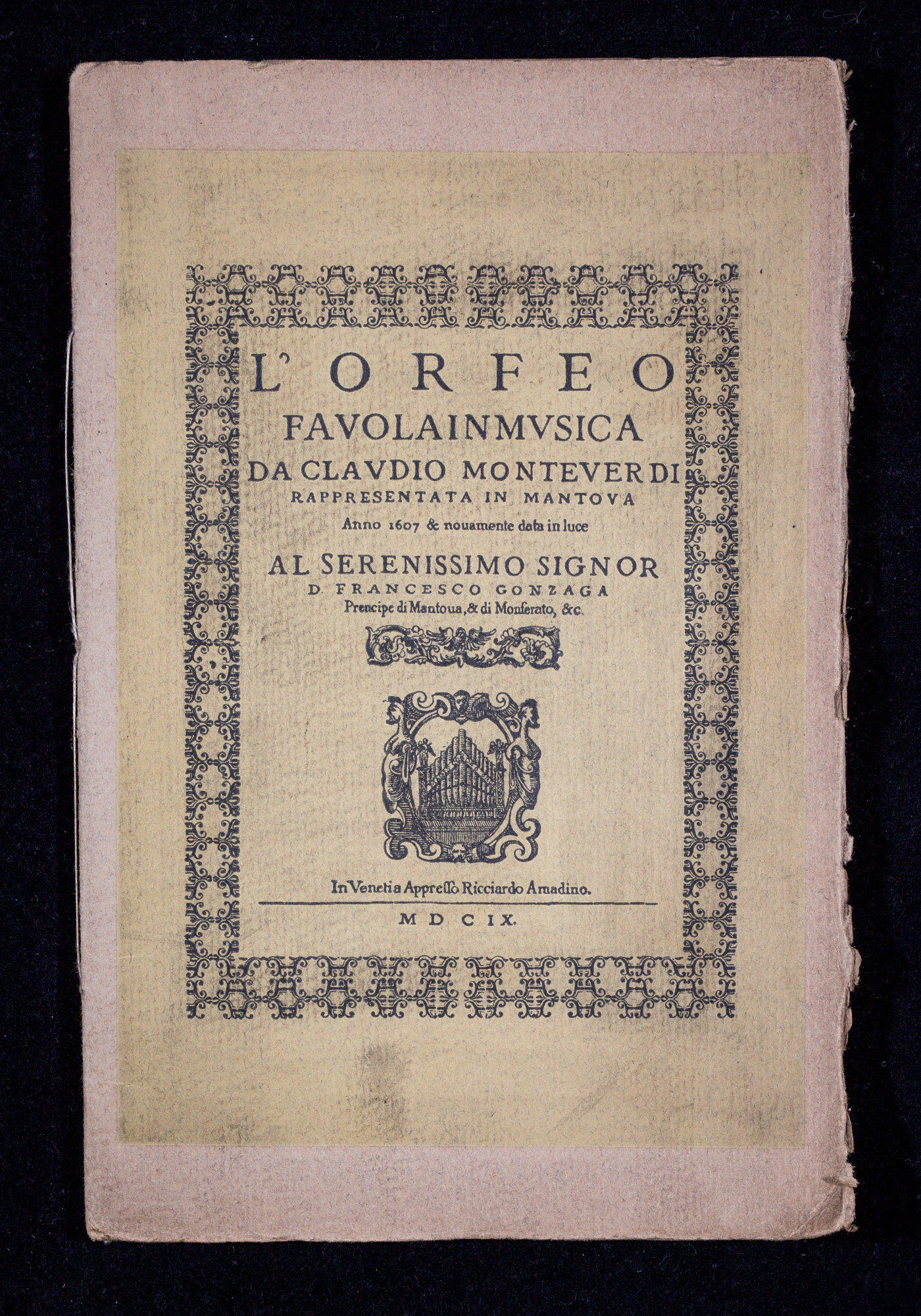
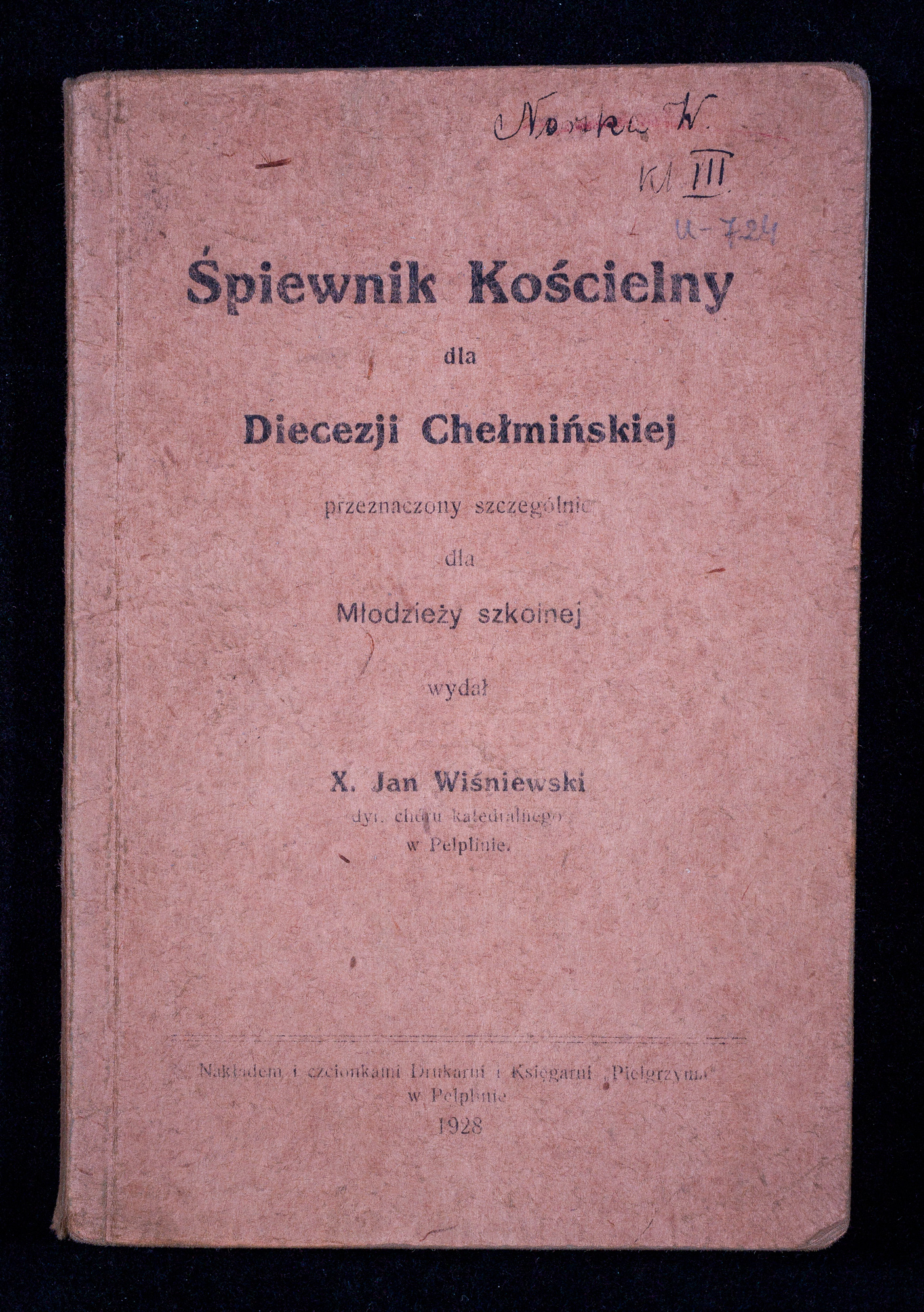
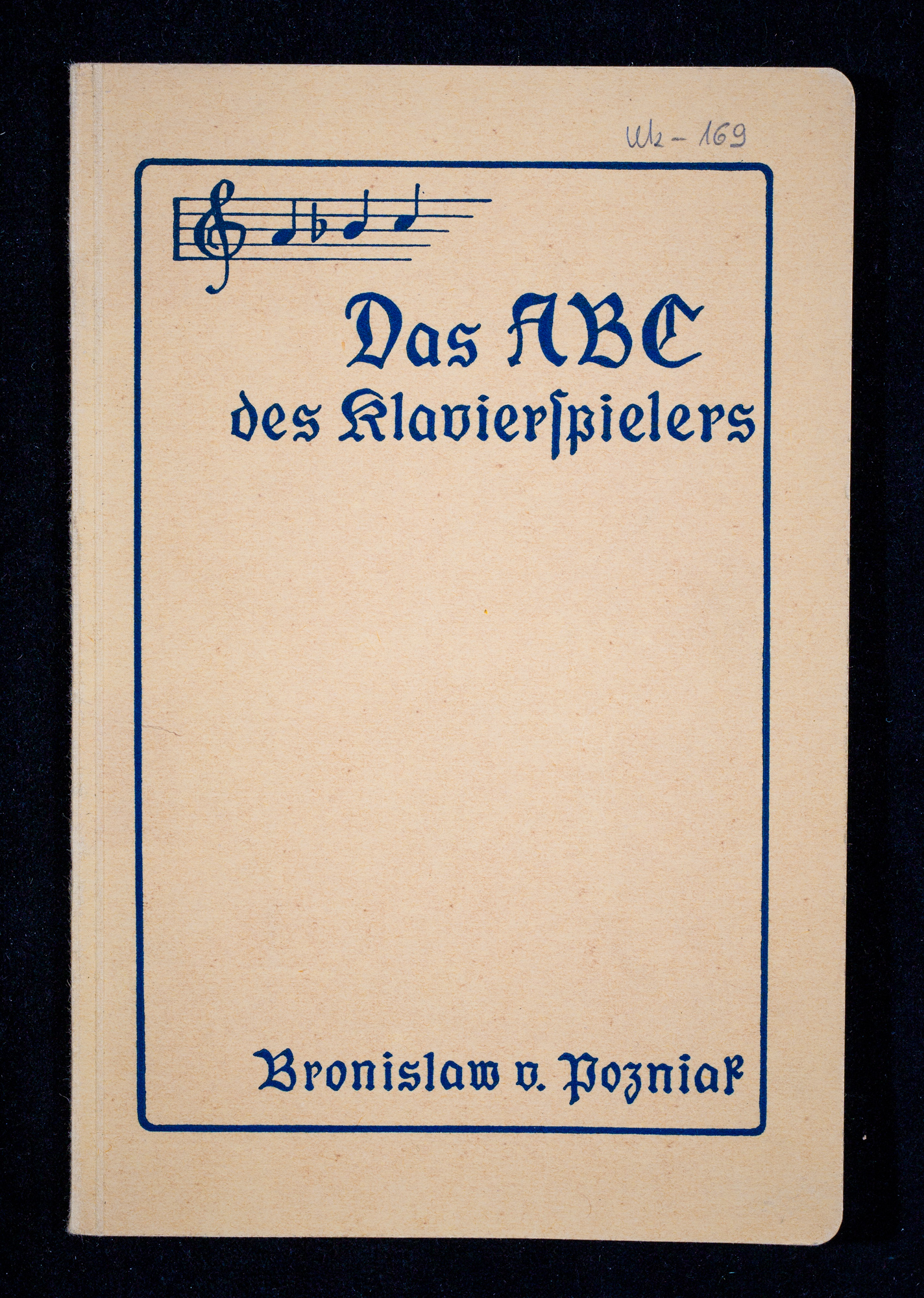
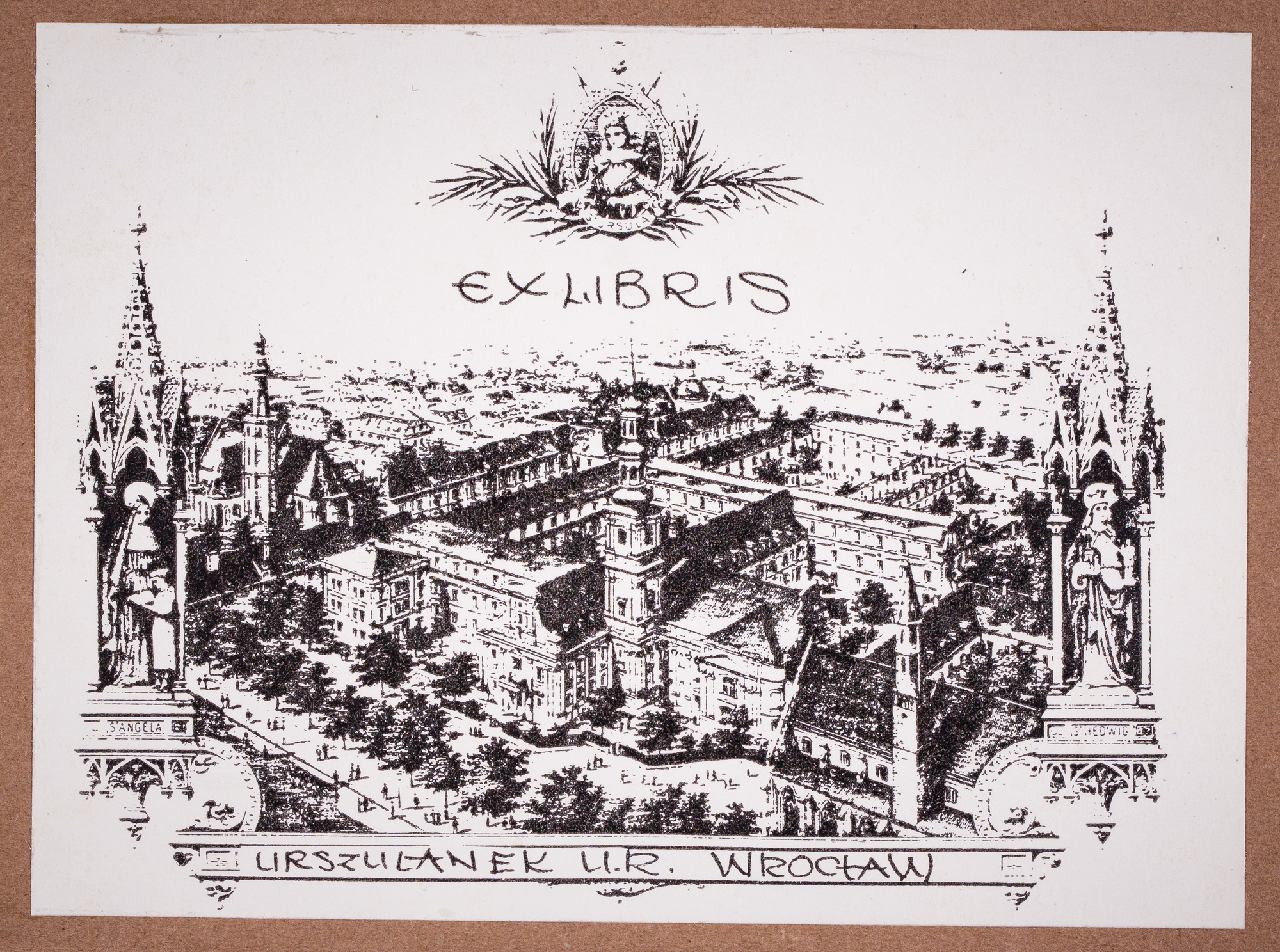
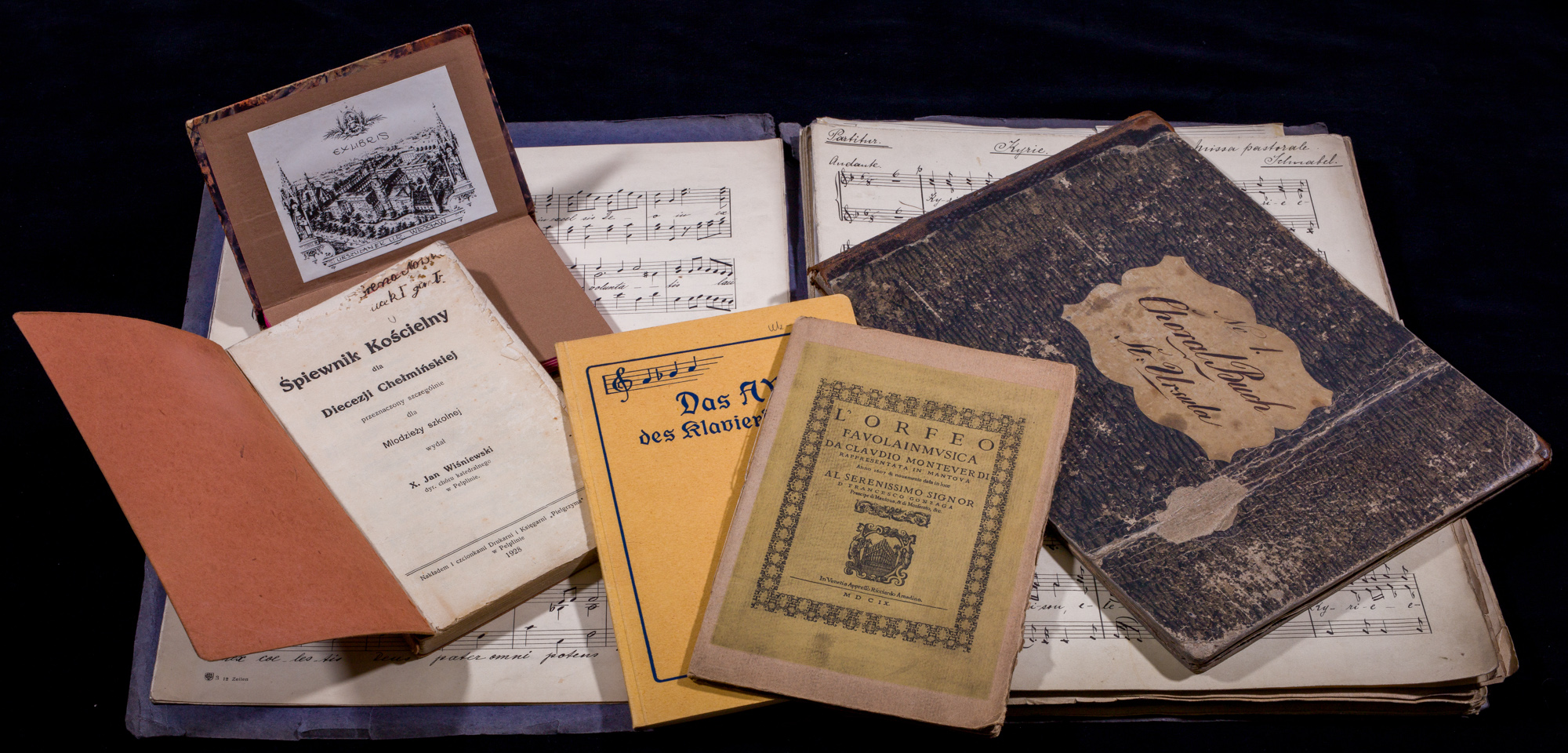
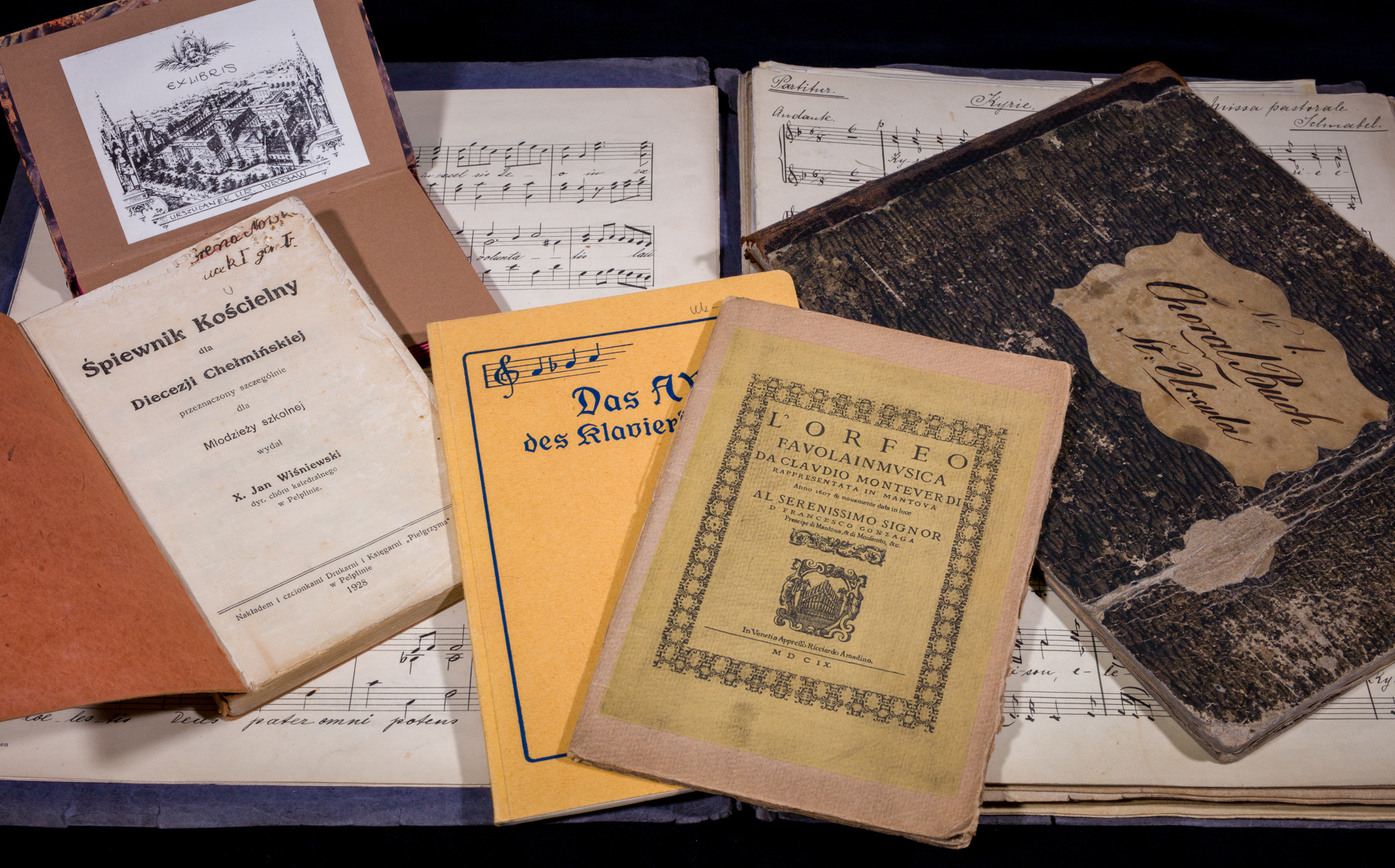
The second project focuses on computer processing and making available in databases a collection of music scores and musical literature from the former school library operating at the monastery of St. Urszula in Wroclaw that was donated to the Wroclaw University Library. The historical collection of the library covers a chronological period from the first decade of the 19th century to the early post-war years. In the scope of the project it is planned to create in electronic databases descriptions of 200 musical prints, 200 books on music education and 200 musical manuscripts.
The collections selected for the project include unique handwritten musical works dedicated by the most important Wroclaw composers to the Ursuline Monastery.
Thanks to the implementation of the project, information about this collection will enter global scientific circulation, constituting an important contribution to undertaking new research topics, and by guaranteeing open access to the cataloged content in computer catalogs and databases - it will also become a source of knowledge for a wide range of hobbyists and society members interested in this topic.
 |
 |
 |
 |
 |
 |
 |
 |
 |
 |
 |
 |