


Projects in the Library
NEWEST PROJECTS
"Social Responsibility of Science III – Scientific libraries"
The Wroclaw University Library received funding for the implementation of the project entitled
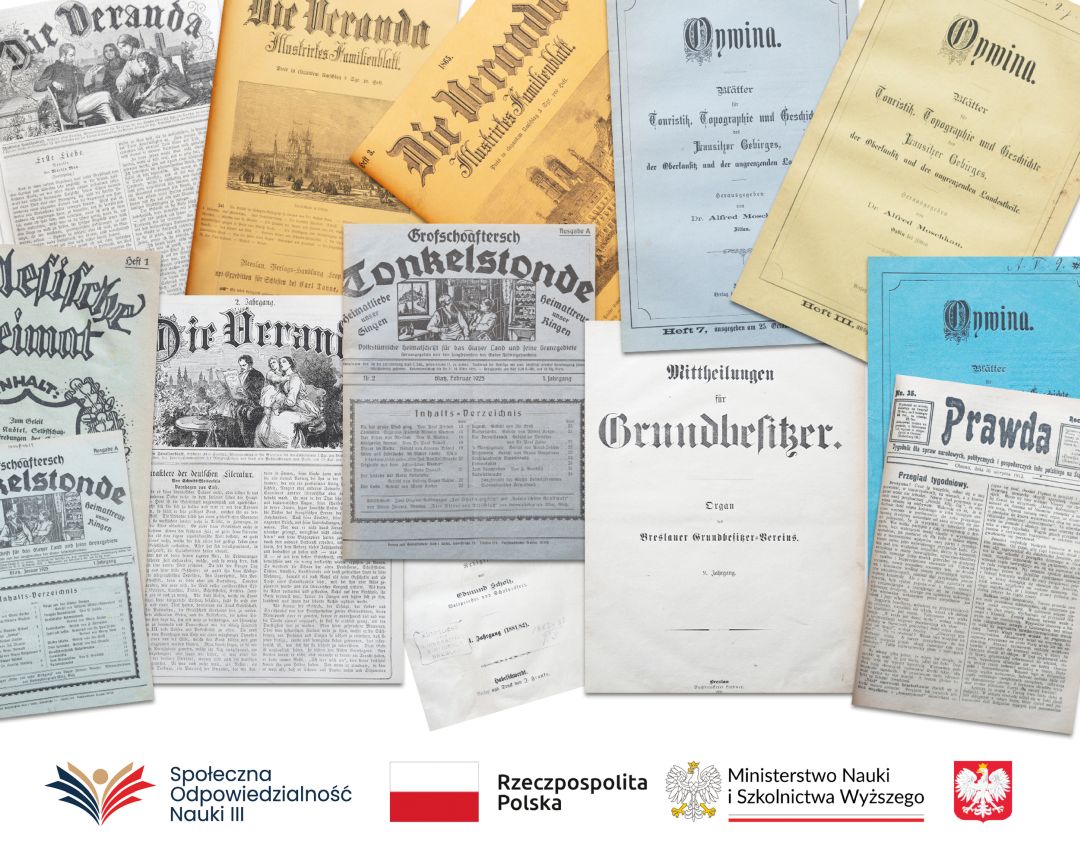
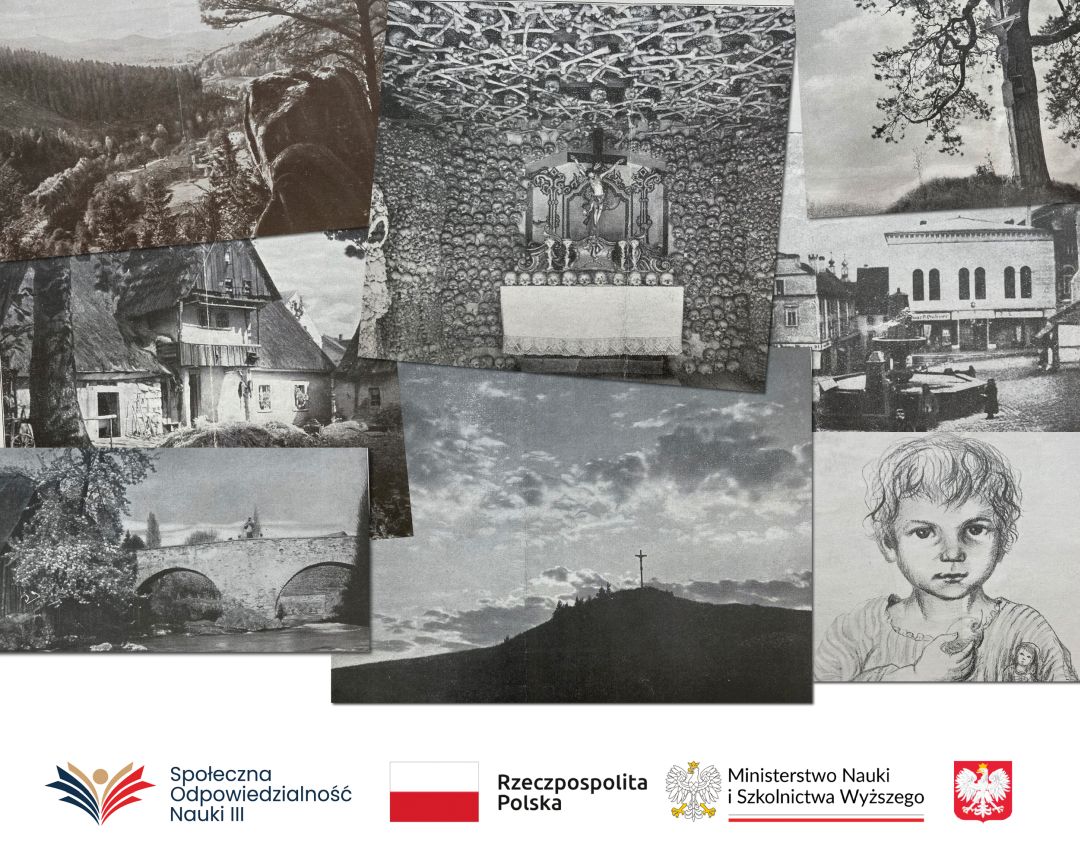
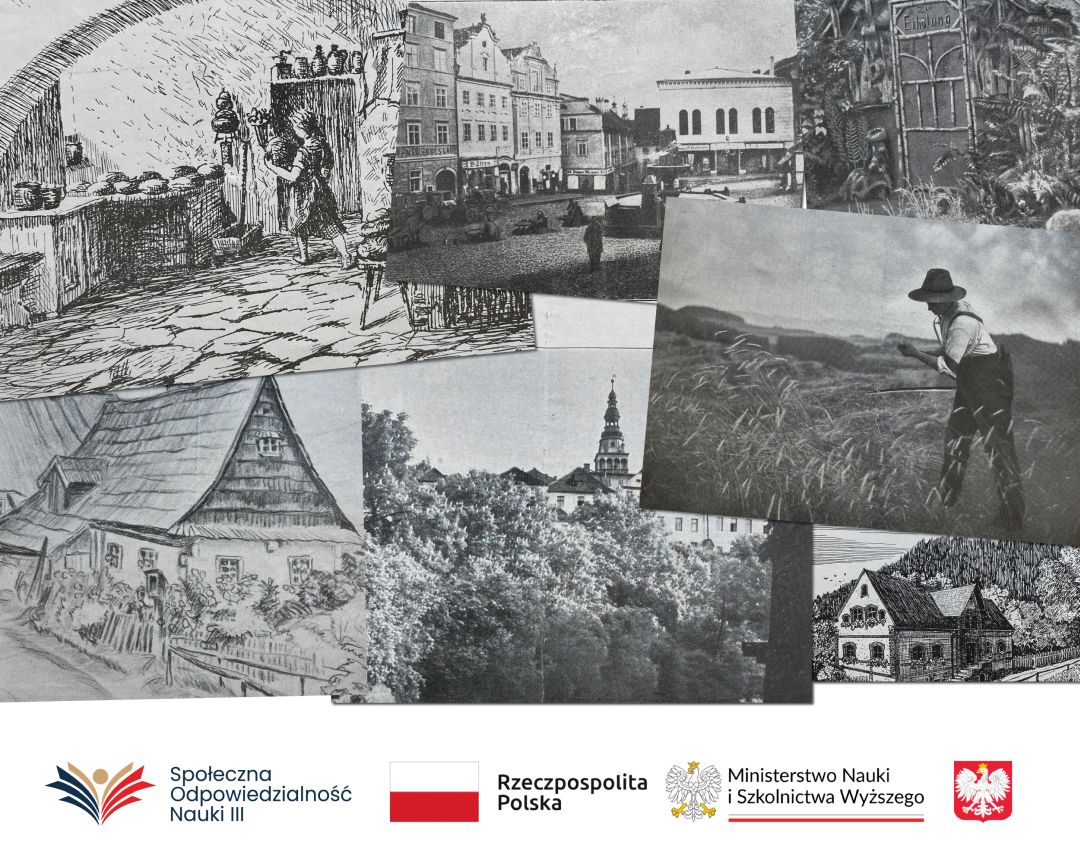
"Silesiaca and lusatica periodicals in the online catalog of the Wroclaw University Library."
The project is financed from the state budget, allocated by the Minister of Science and Higher Education under the Social Responsibility of Science III Program.
Total project value: 78,190.00 PLN
Funding from the Ministry of Science and Higher Education: 62,550.00 PLN
The project will be implemented by the Wroclaw University Library from 1.08.2026 to 1.08.2027.
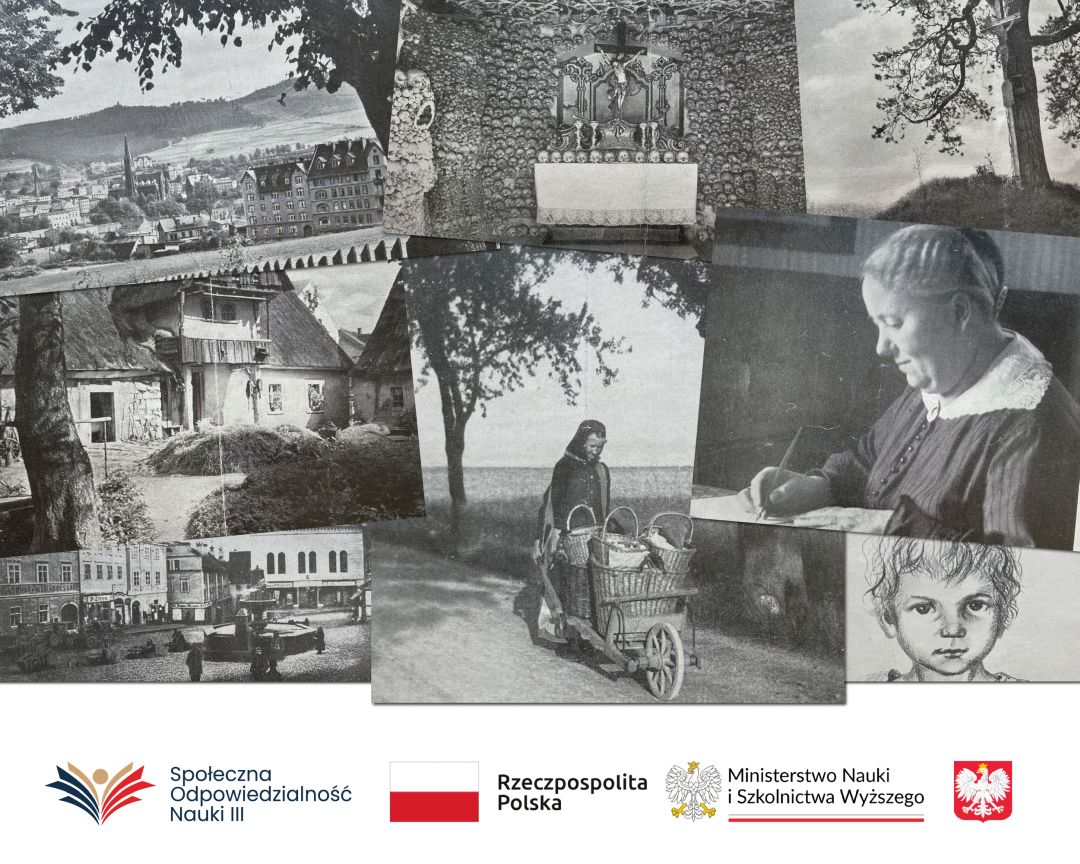
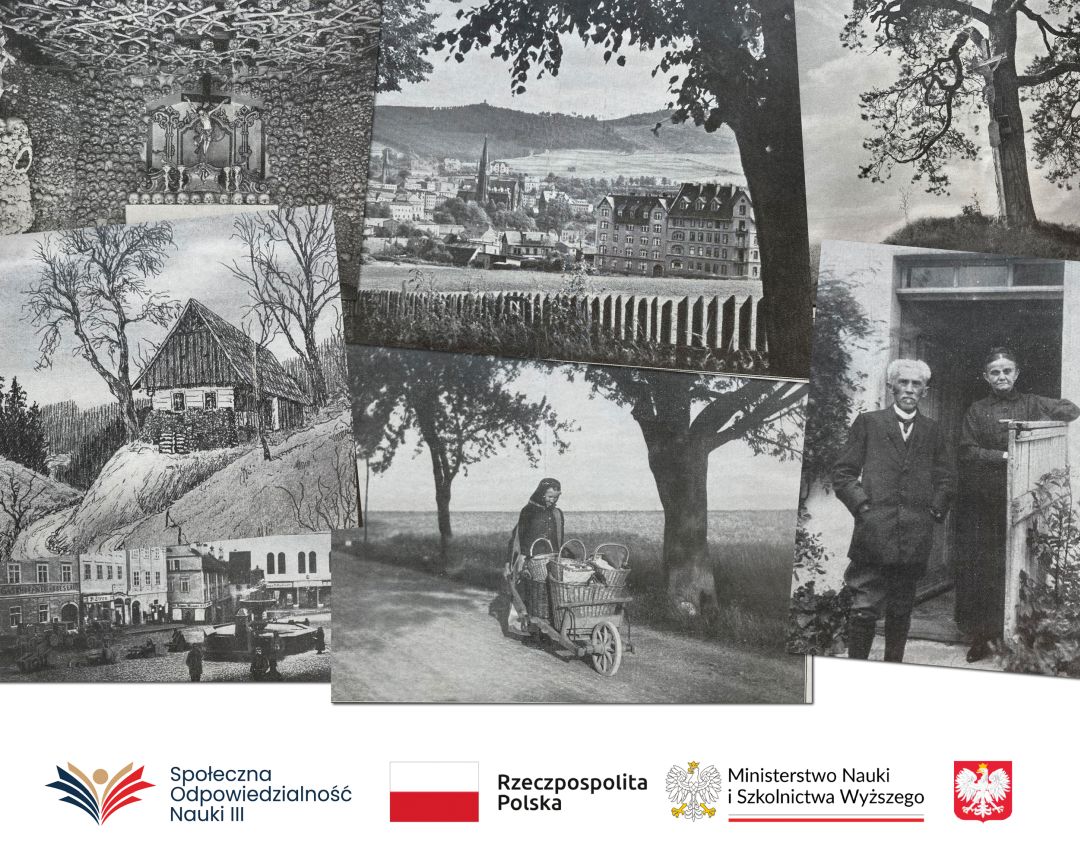
The aim of the project is bibliographic cataloging and publishing in an online catalog 160 titles of periodicals from the end of the 19th and beginning of the 20th century, located in the Silesian-Lusatian Collection of the Wroclaw University Library.
These publications constitute a valuable testimony to the history, culture, and social life of Silesia and Lusatia. Their content documents the political, economic, and cultural transformations of the region, while also serving as an important resource for history researchers, regionalists, students, and anyone interested in the heritage of Lower Silesia and Wroclaw.
The project will increase the accessibility and visibility of the unique periodical collections held in the Wroclaw University Library. By developing bibliographic records, these materials will be easier to find for online catalog users, supporting research and popularizing knowledge about the region's history.
The periodicals included in the project come from one of the most valuable and recognizable special collections of the Wroclaw University Library – the Silesian-Lusatian Collection, which gathers publications on the history, culture, language, social, and economic life of Silesia and Lusatia regions. This collection, gathered over decades, encompasses both academic publications and regional press, documenting the region's multicultural heritage and its place in the history of Central Europe.
The project is not only for record-keeping purposes but also for dissemination. By processing and making available bibliographic records, users will gain access to information about resources that were previously more difficult to identify using search tools. The project's results will benefit the scientific community, cultural institutions, teachers, regionalists, and anyone interested in the history and heritage of Silesia and Lusatia regions.
Implementation of the project under the "Social Responsibility of Science III" program represents the next stage of the Wroclaw University Library's efforts to increase the accessibility of special collections and their presence in national and international scientific information systems. The project will contribute to better utilization of the research potential of regional collections and the protection and promotion of the cultural heritage of Lower Silesia region.
The project is consistent with the Wroclaw University Library's mission to protect, catalog, and share cultural heritage, as well as to support open access to scientific and cultural resources. Thanks to the funding, additional valuable materials from the Library's special collections will be incorporated into the national and international circulation of scientific information.
 |
 |
 |
 |
 |

PAMELA
Papyri and Manuscripts: Exploring Layers of Ages
PROJECT NO.: 101236480 HORIZON-MSCA-2024-SE-01-01
DURATION: 01/2026–12/2029
BUDGET: € 1,743,480.00
PARTICIPANTS:
Consejo Nacional de Investigaciones Científicas y Técnicas; Macquarie University Sydney; Narodni Knihovna Ceske Republiky; Oesterreichische Akademie der Wissenschaften; Otsuma Women's University; Queen Mary University of London; Ruprecht-Karls-Universitaet Heidelberg; Stift Klosterneuburg; Stiftsbibliothek St. Gallen; University of Cambridge; University of Oxford; University of Pennsylvania; Universita degli Studi di Firenze; Univerzita Karlova; University of Hamburg; University of Warsaw, University of Wrocław.
DESCRIPTION:
The PAMELA (Papyri and Manuscripts: Exploring Layers of Ages) project is a pioneering initiative that transforms the study of Greek papyri and medieval manuscripts by integrating traditionally separate disciplines. Through a unique synergy of papyrology, manuscript studies, conservation science, AI-driven paleographic analysis, and material sciences, PAMELA introduces a new research paradigm for understanding the transmission and preservation of written heritage across historical periods.
Despite being housed in the same libraries and archives, papyri and manuscripts are rarely studied together due to disciplinary divides. PAMELA bridges this gap by fostering knowledge exchange between historians, digital humanities specialists, scientists, and technologists, redefining how these materials are analyzed.
The project employs AI-assisted script recognition, non-invasive material studies, and digital reconstruction techniques, leading to deeper insights into textual transmission, manuscript production, and conservation strategies. A key focus of PAMELA is training early-career researchers, equipping them with highly transferable skills in data science, digital humanities, and project management.
nternational secondments will facilitate intersectoral collaboration between academic institutions, cultural heritage organizations, and private-sector technology firms, ensuring a robust exchange of expertise. By developing open-access resources, digital repositories, and standardized methodologies, PAMELA will set a new standard in manuscript research and heritage preservation.
Aligning with the MSCA Staff Exchanges scheme, the project fosters long-term collaboration, ensuring that the legacy of ancient and medieval texts remains accessible, scientifically advanced, and sustainable for future generations.
INFINITY
Multidimensional knowledge-based annotation for ethical context-aware heritage data life cycles
PROJECT NO.: 101233051 HORIZON-CL2-2024-HERITAGE-ECCCH-01-03
DURATION: 01/2026–06/2029
BUDGET: € 5,989,704.21
PARTICIPANTS:
Università di Bologna; Storypact GmbH; Friedrich-Schiller-Universität Jena; Stichting Europeana; Stichting Nederlands Instituut voor Beeld en Geluid; Time Machine Organisation – Organisation für Internationale Zusammenarbeit in Technologie und Wissenschaft und Kulturellem Erbe; Instytut Chemii Bioorganicznej Polskiej Akademii Nauk; Digital Paths Srl; Facts & Files Digital Services GmbH; The University of Edinburgh; University of Wrocław; EIT Culture & Creativity South West SL.
DESCRIPTION:
INFINITY advances the European Collaborative Cloud for Cultural Heritage (ECCCH) with an innovative ecosystem of tools and methods that enhance the lifecycle management of Cultural Heritage Digital Objects (CHDOs). It focuses on creating enriched, multi-context descriptions of CHDOs through multidimensional knowledge graphs, supporting their nuanced, ethical and sustainable reuse.
By embedding workflows, data provenance, IPR, and diverse cultural, historical and socio-political perspectives into CHDO descriptions, the project ensures inclusive and accurate representations. Outputs adhere to FAIR principles, ensuring they are Findable, Accessible, Interoperable, and Reusable in both commercial and non-commercial contexts.
Key innovations include an open library of Semantic Web and AI-driven software components for metadata enrichment, multilingual knowledge extraction and explainable AI tools, all designed for seamless integration into existing Collection Management Systems . The project introduces scalable infrastructures to support large-scale crowdsourcing and citizen science campaigns, fostering collaborative CHDO annotation and reuse.
Advanced interfaces provide intuitive access to CHDO, enabling responsible interaction by diverse users, including citizens, cultural organizations, researchers and creative industries. Five use cases covering a wide range of data enrichment, IPR and ethical reuse scenarios will frame the development, validation and exploitation of INFINITY’s solutions.
To drive engagement and adoption, INFINITY will establish a stakeholder network, deliver capacity-building workshops, provide training resources and launch an open call for cultural institutions and creative industries. These initiatives aim to unlock the potential of CHDOs to foster societal connections, enable innovative business models and support cultural preservation. INFINITY's innovative toolkit for CHDO metadata ensures long term success for the ECCCH.

Project: Polish infrastructure for cultural heritage research - ERIHS.PL

The project's primary and immediate objective is to create a national infrastructure for physicochemical research on cultural heritage that will meet the identified needs of a broad audience and complement the existing research base and R&D infrastructure in Poland. The project will be implemented in Poland, beyond the Warsaw metropolitan region, in four voivodeships (Greater Poland Voivodeship, Kuyavian-Pomeranian Voivodeship, Lesser Poland Voivodeship, Lower Silesian Voivodeship) that are transitional and less developed regions. The project's target groups will include members of the Project Consortium, research institutions, public entities (particularly institutions involved in the protection and conservation of monuments of material cultural heritage), non-governmental organizations, and businesses. This applies to both domestic and international entities.
Polish infrastructure for cultural heritage research - ERIHS.PL will consist of the following key distributed laboratories:
A laboratory for obtaining physicochemical data supporting the analysis of cultural heritage objects in mobile or stationary mode.
A raw and derived data space laboratory offering secure and private data storage spaces in line with FAIR principles.
A data contextualization, modeling and presentation laboratory offering access to derived data (processed raw data) and contextual data in the HDT digital twin model along with presentation and visualization modules.
A data analytics laboratory comprising specialized infrastructure components for processing data from other laboratories, e.g. mechanisms for monitoring threats to heritage sites and planning remedial actions.
The infrastructure, which is the main result of the project, will be used both at the level of national and international research and scientific projects, as well as in projects implemented in collaboration with commercial partners. Project outcomes, such as services for acquiring and managing physicochemical data, support for restoration/conservation and preventive conservation activities, and visualization of physicochemical data, will significantly contribute to accelerating the process of removing barriers to heritage science, increasing access to scientific data for people with disabilities, and positively impacting the implementation of equal opportunities policies.
The "ERIHS.PL" project will therefore contribute to:
Strengthening research potential: Providing access to the latest technologies and expertise in the field of cultural heritage research.
Supporting innovation: Enabling interdisciplinary research, which will translate into new solutions in the field of conservation, restoration and promotion of heritage.
Development of international cooperation: Integration of Polish infrastructure with the European ERIHS network (European Research Infrastructure for Heritage Science), which will open up new opportunities for cooperation and knowledge exchange.
The E-RIHS.pl Project Consortium consists of:
Institute of Bioorganic Chemistry of the Polish Academy of Sciences Poznan Supercomputing and Networking Center - team led by Tomasz Parkola and Maciej Głowiak) – as the leader,
University of Science and Technology in Krakow (the teams of Prof. Aldona Garbacz-Klempka and Prof. Tomasz Łojewski),
Jagiellonian University the teams of Prof. Krzysztof Kruczała and Dr. Ewelina Miśta-Jakubowska,
Nicolaus Copernicus University in Torun (team of Prof. Piotr Targowski),
University of Wroclaw (represented by the Faculty of Chemistry, University of Wrocław – Cultural Heritage Research Laboratory and the Wroclaw University Library in Wrocław). The project manager at the UoW is Prof. Dr. Barbara Łydżba-Kopczyńska, while Tomasz Kalota is the leader of the WUL's team.
Funding: European Union under the European Funds for Modern Economy programme no. FENG.02.04-IP.04-0006/24-00.
Project value: 37 698 110,31 PLN.
Co-financing from European Funds under the FENG program: 29 295 708,40 zł
#EUFunds #EuropeanFunds
Start date: 2025.01.01
End date: 2027.12.31
Role: Consortium member
CEE MASTER
Coordinator of CEE MASTER project is National Library in Prague. WUL has participated in that project since September 2003. Aim of that project is to create manuscript catalog database that is accessible via internet and includes descriptions of manuscripts from countries from Central and East Europe, processed on basis of MASTER standard in XML language (eXtensible Markup Language). Wroclaw University Library pledged to enter to the database at least five manuscripts descriptions weekly.
RISM
On the basis of cooperation with RISM Central in Frankfurt am Main, started in 1997, Wroclaw University Library participates in creation of computer database of music manuscripts from European libraries. That database is accessible via internet (from Sales Nisc portal) and on CD-ROMs.
FINISHED PROJECTS
Dissemination of the pre-war dissertations of the University of Wrocław in the WUL's online catalog
Social Responsibility of Science II - Support for research libraries
National Reading Development Program 2.0 for years 2021-2025
Thematic portal – Cultural heritage in Wroclaw University Library’s research
Science Dissemination Activities 2019 (Działalność Upowszechniająca Naukę - DUN)
Science Dissemination Activities 2018 (Działalność Upowszechniająca Naukę - DUN)
Science Dissemination Activities 2017 (Działalność Upowszechniająca Naukę - DUN)
Science Dissemination Activities 2016 (Działalność Upowszechniająca Naukę - DUN)
Science Dissemination Activities 2015 (Działalność Upowszechniająca Naukę - DUN)
Bibliotheca Rudolphina. Music collection of Legnica-Brzeg’s prince Jerzy Rudolf
Science Dissemination Activities 2014 (Działalność Upowszechniająca Naukę - DUN)
Processing and securing of next part of music manuscripts from Wroclaw University Library
New organization of scientific library – free access to library resources